
- Jobs in Japan @ Daijob.com
- Expat Career Guide
- Skill Up
- Japanese Dining Etiquettes
Expat Career Guide
Japanese Dining Etiquettes
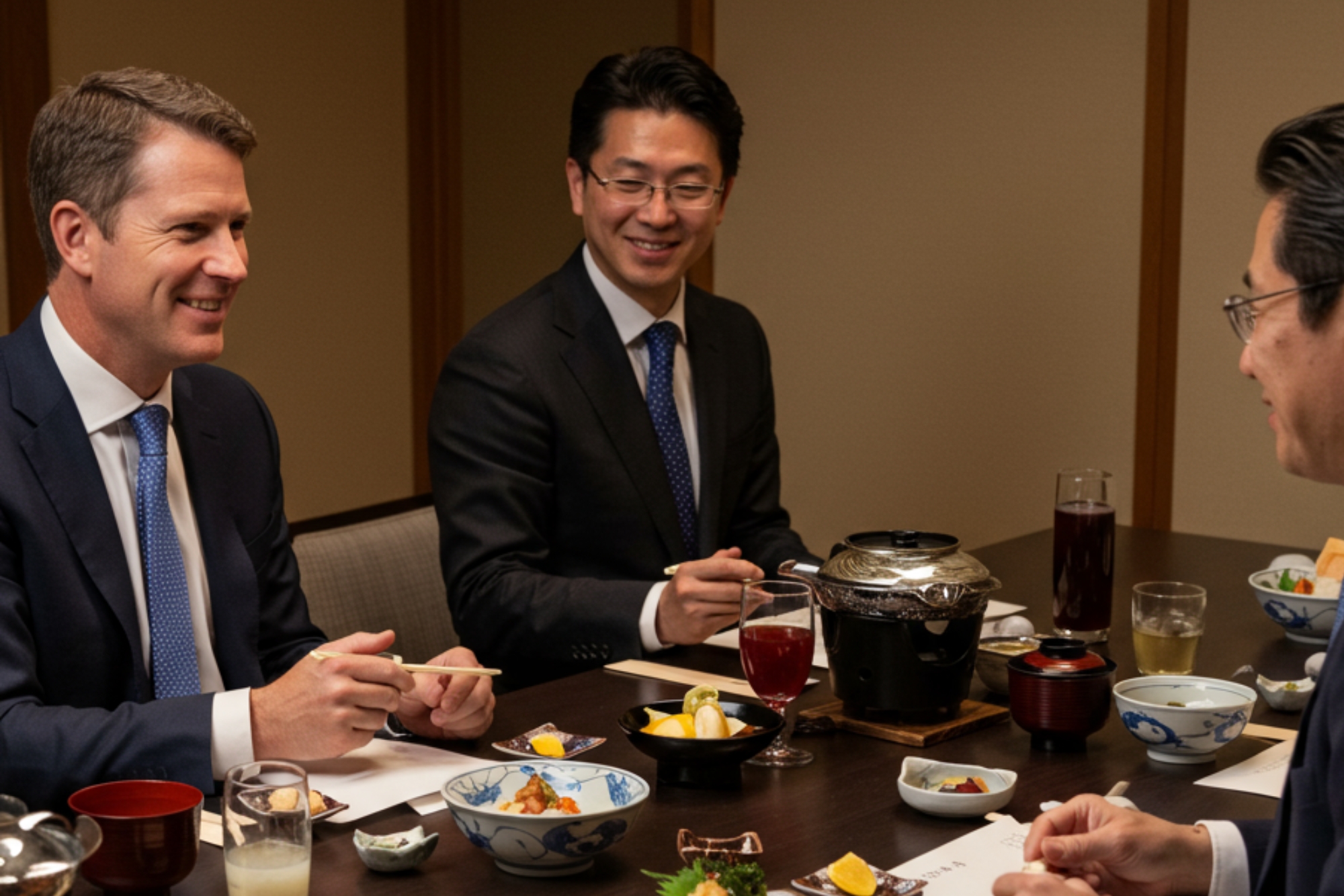
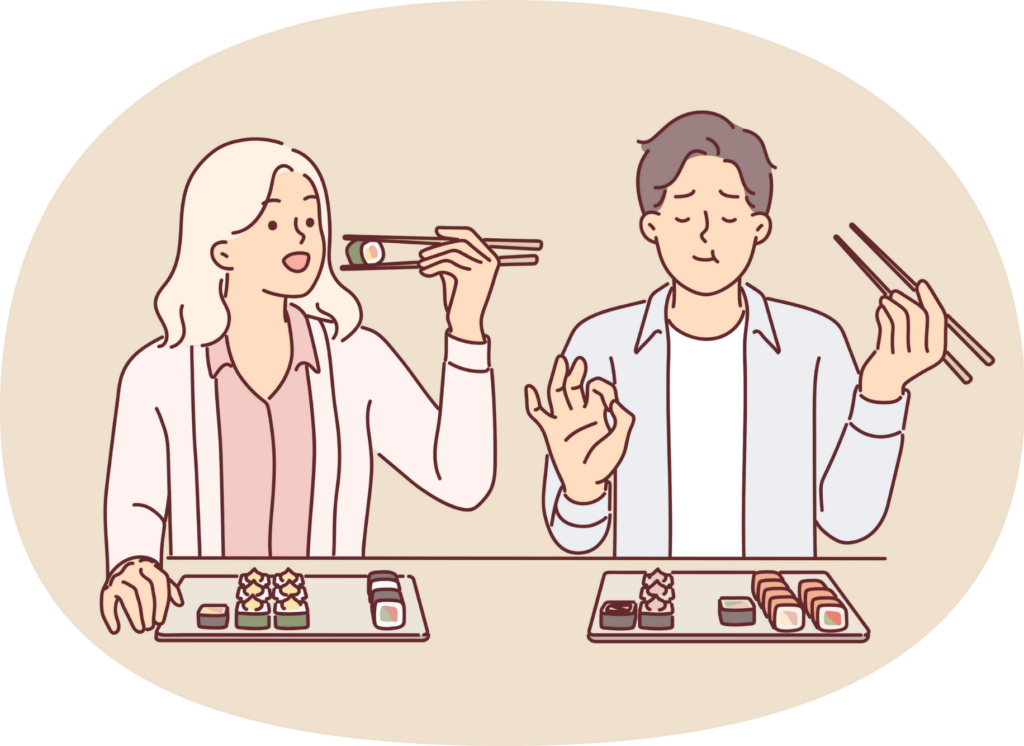
Eating out in Japan offers a fantastic way to connect, whether you enjoy a casual meal with friends, a relaxed gathering with colleagues, or host a formal dinner with key business customers and stakeholders. Mastering Japanese dining etiquettes significantly enhances your experience and helps build stronger relationships. This comprehensive guide walks you through the nuances of eating out in Japan, from understanding seating arrangements and mastering chopstick etiquettes to navigating appropriate conversation topics and handling the bill. Knowing these customs helps you show respect and genuinely connect with those around you, making every meal in Japan a memorable one.
Before the Meal: Setting the Stage for Japanese Dining Etiquettes
The experience of eating out in Japan often begins before you even sit down. Thoughtful preparation sets a respectful tone and demonstrates your consideration for your companions.
Choosing the Right Restaurant: Matching the Occasion to the Venue
Selecting the appropriate restaurant is a foundational part of Japanese dining etiquettes. Your choice should reflect the purpose of the gathering and the preferences of your guests.
For Formal Business Occasions (Settai – 接待)
Always prioritize quiet environments conducive to conversation. Restaurants with private rooms (koshitsu) are highly valued for important business discussions, as they offer discretion and a focused atmosphere. When considering cuisine, Japanese guests often appreciate well-prepared Italian, Chinese, high-quality seafood, or steak. Avoid overly casual, noisy, or trendy establishments that might detract from the professional nature of the meeting. The goal is to create a comfortable space for building rapport.
For Colleagues and Friends (Informal)
Izakayas (Japanese gastropubs) remain a popular choice for relaxed, after-work gatherings. They provide a lively, less formal atmosphere with a wide array of small, shareable dishes and drinks. Other options include more casual Japanese eateries like ramen shops, sushi conveyor belts (kaiten-zushi), or family restaurants (famiresu), depending on the group’s preferences and budget.
Dietary Considerations
Always discreetly inquire about any dietary restrictions, allergies, or strong preferences your guests might have before selecting and booking a restaurant. This thoughtfulness is a key aspect of Japanese hospitality (omotenashi) and prevents awkward situations.
Dress Code: Respecting the Venue and Company
Your attire signals your respect for the occasion and your dining companions. Dress appropriately for the restaurant and the company you keep.
Formal Business Dinners
A dark suit and tie are standard for men, while women should opt for a smart dress, tailored suit, or elegant separates. Avoid anything too revealing, overly casual (like jeans or sneakers), or distracting. Strong perfumes or colognes can be overwhelming in the close quarters of some Japanese restaurants; opt for subtle or no fragrance.
Casual Meals or Izakayas
Business casual attire is usually acceptable. However, if the restaurant has tatami mat seating (traditional Japanese floor seating where you remove your shoes), ensure your socks are clean, presentable, and free of holes. You will remove your shoes at the entrance or before stepping onto the raised tatami area.
Arrival and Seating Hierarchy: Understanding the Seat of Honor
Punctuality is paramount in Japan. Aim to arrive on time or even a few minutes early. Once at the restaurant, pay attention to the seating arrangement, which is a subtle but significant part of Japanese dining etiquettes.
Kamiza (上座 – Upper Seat)
This is the seat of honor. It is typically the furthest from the entrance, often facing a wall or offering the best view. The most senior person in the group or the honored guest always sits here.
Shimoza (下座 – Lower Seat)
This is the lowest-ranking seat, located closest to the entrance. It is convenient for the host or junior members to interact with restaurant staff, place orders, and manage logistics.
General Practice
Always wait for the host or the most senior person in your party to direct you to your seat. Never seat yourself first. If you are the host, ensure your senior guests are seated in the kamiza positions. In a private room, the kamiza might be indicated by an alcove (tokonoma) or a special decoration.
During the Meal: Core Principles of Japanese Dining Etiquettes
Once seated, a set of common practices guides interactions and consumption, ensuring a smooth and respectful dining experience.
Oshibori (Wet Towel): A Practical Welcome
You will usually receive an oshibori (a hot or cold wet towel) upon seating. This towel is for cleaning your hands before and during the meal, especially after handling shared dishes. Do not use it to wipe your face, neck, or any part of your body other than your hands. Fold it neatly after use and place it back on its tray or beside your plate. This small detail is a subtle but important aspect of cleanliness and courtesy in Japanese dining etiquettes.
Expressing Gratitude
These two phrases are fundamental expressions of appreciation for the meal.
“Itadakimasu” (いただきます):
Say this before you start eating. It translates roughly to “I humbly receive” or “Let’s eat!” and conveys gratitude to the host, the chef, and even the ingredients themselves for sacrificing their lives. You can say it with a slight bow or hands pressed together.
“Gochisousama Deshita” (ごちそうさまでした):
Say this after you finish eating. It means “It was a wonderful meal” or “Thank you for the feast.” This phrase thanks everyone involved – the host for providing, the chef for preparing, and the restaurant staff for serving.
Chopstick Etiquettes: Precision and Respect
Using chopsticks correctly is a nuanced but essential part of Japanese dining etiquettes. Practice beforehand if you are not accustomed to them.
Proper Holding:
Hold the bottom chopstick stable between your thumb and the base of your index finger. Use your thumb, index finger, and middle finger to move the top chopstick, much like holding a pencil.

Crucial “Don’ts” (Avoid these at all costs):
- ・Stabbing food (刺し箸): Never stab food with your chopsticks. Pick it up gently.
- ・Passing food chopstick-to-chopstick (拾い箸): This is strictly forbidden as it mimics a specific funeral ritual (passing cremated bones). Always place food onto the other person’s small plate for them to pick up.
- ・Pointing (差し箸): Do not point at people or food with your chopsticks. Use your hand to gesture if necessary.
- ・Licking/Chewing (ねぶり箸): Avoid licking sauce or food off your chopsticks or chewing on them.
- ・Vertical in Rice (立て箸): Absolutely never stick chopsticks upright in your bowl of rice; this is a highly offensive act, as it is part of an offering to the deceased.
- ・Playing with Chopsticks: Do not tap them, wave them around, or use them as toys.
- ・Moving Dishes: Do not use chopsticks to pull dishes closer to you. Use your hands.
Resting Chopsticks:
When not actively using your chopsticks, place them horizontally on a chopstick rest (hashioki). If no rest is provided, place them neatly on their paper wrapper or across the edge of your individual dish. Never cross them in an “X” shape or place them across the top of your bowl, as this can be considered rude.
Serving from Shared Dishes:
If communal dishes are served, always use the designated serving chopsticks or serving spoons. If none are available, you can use the clean, opposite end of your personal chopsticks to take food from the shared plate onto your own small plate before eating.
Eating Etiquettes: Appreciation Through Consumption
How you eat also communicates respect and enjoyment, key facets of Japanese dining etiquettes.
Slurping Noodles and Soup:
It is perfectly acceptable, and often encouraged, to slurp noodles (like ramen, udon, or soba) and soup directly from smaller bowls. This expresses enjoyment and appreciation for the flavors and the effort put into the dish. Do not blow your nose at the table; if absolutely necessary, excuse yourself to the restroom.
Finishing Your Meal (Especially Rice):
Try your best to finish every last bit of food on your plate, especially rice. Leaving food, particularly rice, is considered wasteful and disrespectful to the food and those who prepared it.
Using Individual Plates for Shared Food:
When dishes are served communally (e.g., sashimi platters, tempura), take a portion onto your own small plate before eating. Do not eat directly from the communal dish.
Lifting Smaller Bowls:
You can comfortably lift smaller bowls, such as your rice bowl or miso soup bowl, to your mouth when eating with chopsticks. This makes it easier and tidier to consume the contents
Soy Sauce Application:
Pour a small amount of soy sauce into your personal small dish. When eating sushi, dip only the fish (or topping), not the rice, into the soy sauce. Over-saucing your food is generally frowned upon as it can overpower the delicate flavors.
Breaking Food:
If a piece of food is too large for a single bite, it is acceptable to break it into smaller, manageable pieces with your chopsticks before bringing it to your mouth. Avoid taking bites directly from a large piece held by chopsticks.
Returning Dishes:
At the conclusion of the meal, try to return all dishes and bowls to their original positions on your tray or table, mirroring how the meal began. This neatness shows consideration for the restaurant staff.
Recommended Topics of Discussion at the Table
Beyond the eating and drinking, conversation is key. In Japan, business meals often serve primarily as opportunities for relationship building (人間関係) rather than intense business discussions.
Initial Small Talk
Begin with light, neutral topics.
- ・Weather: “今日はいい天気ですね” “Nice weather today, isn’t it?” is a universal opener.
- ・Travel: Inquire about recent trips or express interest in visiting their hometown or a famous Japanese landmark. “どちらからいらっしゃいましたか?” “Where are you from?” can lead to interesting discussions about regions.
- ・Food and Restaurant: Compliment the food or the restaurant choice. “この料理は本当に美味しいですね” “This food is really delicious, isn’t it?”
- ・Hobbies and Interests: If you know their hobbies (e.g., golf, sports, travel), gently inquire.
Cultural Exchange (Cautiously)
As a foreigner, people often appreciate it if you share aspects of your own culture or ask about Japanese culture. However, avoid potentially polarizing topics like politics, religion, or sensitive historical events.
Company-Related, but Not Business-Critical:
You can discuss the general industry trends or the broader vision of your companies, but avoid diving into specific project details, deadlines, or negotiations during the main part of the meal, especially at dinner.
Observing Cues for Business Talk:
The host or the most senior person will usually initiate the shift to more business-focused discussions, if they deem it appropriate. This often happens after a few rounds of drinks and when everyone feels more relaxed. Follow their lead. If the atmosphere remains purely social, embrace it as an opportunity to build personal rapport.
The Bill and Beyond: Concluding Your Japanese Dining Experience
The conclusion of the meal also adheres to specific Japanese dining etiquettes to ensure a smooth and respectful departure.
Who Pays the Bill: Understanding the Host’s Role
Formal Business Meals (接待)
The host (the person who extended the invitation) invariably pays the entire bill. Attempting to split the bill or even pay for your own share is generally considered impolite, as it undermines the host’s generosity and hospitality. A sincere “ごちそうさまでした” and a polite “ありがとうございます。”are the appropriate responses. Do not insist on paying.
Informal Gatherings (Colleagues/Friends):
In more casual settings with friends or close colleagues, it is very common to split the bill ( 割り勘). Sometimes, particularly in izakayas, a more senior member might offer to pay a slightly larger share, or the bill might be divided equally among all participants. Always be prepared to pay your share in these situations.
Offering to Pay (as a Guest):
As a polite gesture, you can offer to pay, especially if you are the guest. However, be prepared for your host to politely refuse your offer. Do not insist on paying if they clearly indicate they will cover the bill.
Tipping Culture: A Cultural No-Go
Tipping is not customary in Japan for any service, including restaurants, taxis, or hotels. It can even cause confusion or be considered impolite, as excellent service is inherently part of the おもてなし philosophy. Service charges are sometimes included in the bill, especially at higher-end establishments, but this is clearly indicated. If you accidentally leave money on the table, staff may genuinely chase after you to return it.
Gift-Giving (おみやげ)A Thoughtful Conclusion
For formal business dinners with important clients or stakeholders, discreetly offering a small gift (omiyage) can be a thoughtful gesture. Typically, you present this gift after the meal concludes, or sometimes at the beginning of a subsequent meeting. Choose a high-quality, tastefully wrapped item, often a local specialty from your region. This demonstrates your appreciation and fosters goodwill.
Omotenashi in Japanese Dining Etiquettes: The Underlying Spirit

The concept of omotenashi (おもてなし), or selfless hospitality, permeates all aspects of Japanese dining etiquettes. It represents a deep commitment to providing guests with an unparalleled experience, anticipating their needs without any expectation of reward. As a diner, embracing おもてなし means:
- ・Receiving with Humility: Accept the service and hospitality offered with grace and appreciation.
- ・Expressing Sincere Gratitude: Use “Itadakimasu” before eating and “Gochisousama deshita” after, sincerely conveying your thanks.
- ・Being Mindful and Observant: Pay attention to the host’s cues, the flow of the meal, and the needs of others at the table.
- ・Respect for Food and Place: Show respect for the food by eating everything, and for the establishment by adhering to its rules and keeping your dining area neat.
To know more about the dining etiquettes, check out Japan National Tourism Organization (JNTO) – Japanese Food Etiquette Guide – Official guide on general food etiquette.
Take Away
Eating out in Japan is a deeply cultural experience, offering much more than just food; it is an opportunity for connection and relationship building. By understanding and practicing Japanese dining etiquettes, you demonstrate profound respect for the local culture and your dining companions. Whether it’s a casual outing with friends, a lively gathering with colleagues, or a critical business dinner, your efforts to observe these customs will be genuinely appreciated, fostering stronger bonds and creating truly memorable experiences in Japan. Embrace these traditions, and you will find yourself more deeply connected to the heart of Japanese hospitality.
Now that have you understood this cultural aspect, how about learning about making a call in Japan for business purposes? It goes far beyond simply dialing a number! Read this compelling article to learn:
📰Making a call in Japan (business Japanese version)
Discover Your Next Role in Japan. Access more than 10,000 jobs for free!
- Jobs in Japan @ Daijob.com
- Expat Career Guide
- Skill Up
- Japanese Dining Etiquettes