
- Jobs in Japan @ Daijob.com
- Expat Career Guide
- Expat Essentials
- Work Hours and Breaks in Japan
Expat Career Guide
Work Hours and Breaks in Japan
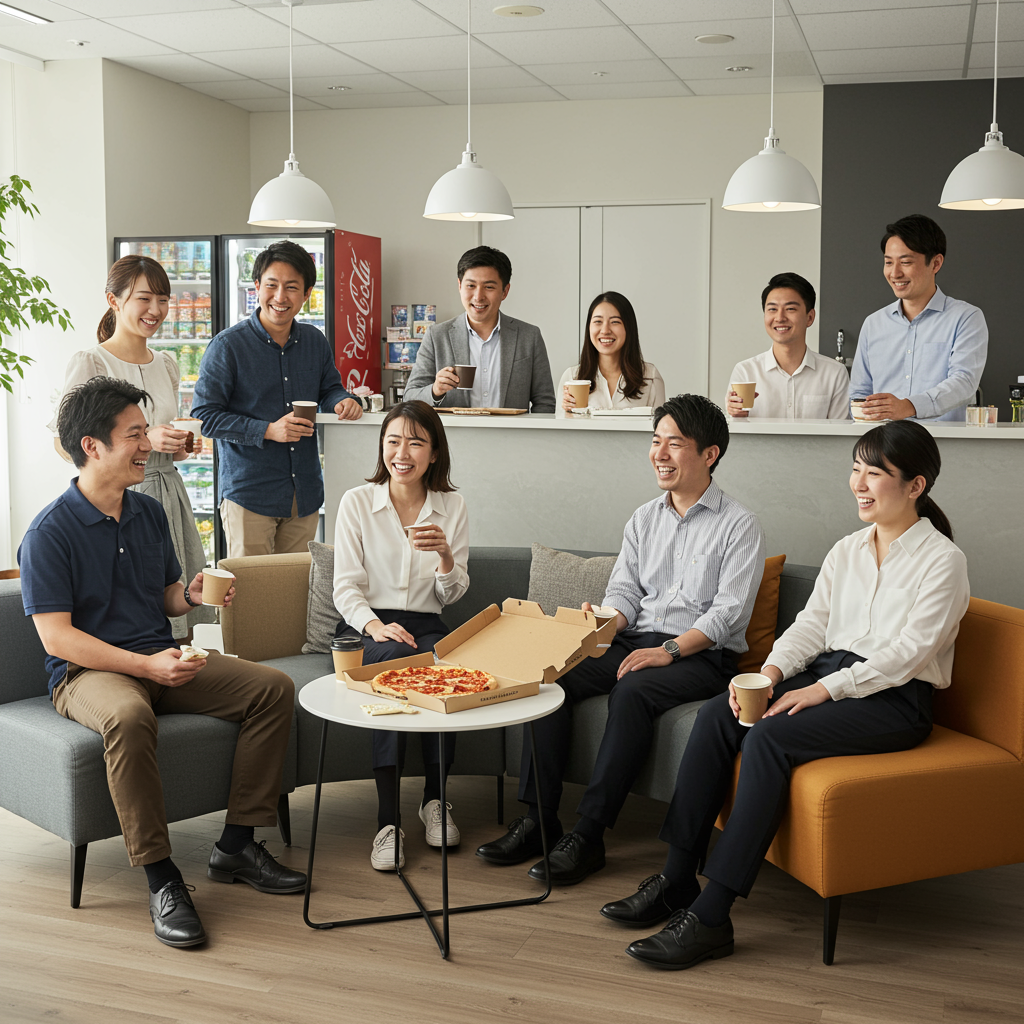
Working in Japan offers incredible opportunities, but understanding local workplace norms is crucial for success. One key area often different from other countries is the approach to work hours and breaks in Japan. This guide will help foreign professionals understand the typical workday, legal requirements, and unwritten rules surrounding working hours in Japan, ensuring a smoother transition and more productive experience.
Understanding Standard Work Hours in Japan
Most companies in Japan follow a standard 8-hour workday, excluding breaks. The typical work week is five days, adding up to 40 hours. This aligns with legal requirements, but how these hours are actually spent and perceived can vary significantly.
Typical Start and End Times
While there’s no universal rule, many offices start between 9:00 AM and 9:30 AM and finish between 5:00 PM and 6:00 PM. However, these are just starting points for understanding Japan’s work schedule.
Flex-Time and Remote Work
More companies now offer flexible work hours in Japan (フレックスタイム制 – Flex-Time Sei) and remote work options, especially after recent global shifts. This provides some employees with more control over their daily schedule. Always confirm your specific company’s policies on flexible working arrangements in Japan.
Legal Requirements for Work Hours: What You Need to Know
Japan has clear labor laws designed to protect employees. Understanding these regulations is vital for foreign workers.
Maximum Legal Work Hours:
The Labor Standards Act generally sets a maximum of 8 hours per day and 40 hours per week for regular work. Any time worked beyond these limits is considered overtime in Japan.
Overtime Regulations and Pay
If your employer asks you to work beyond standard hours, they must pay overtime wages.
- ・Normal Overtime: Typically 25% extra for hours exceeding the legal limit.
- ・Late-Night Overtime: An additional 25% (total 50%) for work between 10:00 PM and 5:00 AM.
- ・Holiday Work: Often 35% extra for work on statutory holidays.
Many companies require employees to sign a 36 Agreement (Saburoku Kyoutei – 36協定) to allow for legal overtime. This agreement sets the limits for overtime hours. It’s important to understand your rights regarding overtime pay in Japan. You can find more details on Japanese labor laws from resources like the Japan Institute for Labour Policy and Training (JILPT).
Breaks in Japan: Your Right to Rest
Taking proper breaks is not just good for your well-being; it’s a legal requirement in Japan.
Mandatory Break Times
The Labor Standards Act mandates specific break times in Japan:
- ・6-8 hours of work: At least 45 minutes of break.
- ・Over 8 hours of work: At least 1 hour of break.
These breaks are usually unpaid and can often be split. For example, a 1-hour lunch break is common. Your company should clearly outline its meal and rest break policies.
Lunch Breaks (Hiruyasumi – 昼休み)
Lunch is typically taken between 12:00 PM and 1:00 PM. Many employees eat at their desks, in company cafeterias, or at nearby restaurants. It is common for colleagues to eat together, but it is not always mandatory. Using your lunch break to run errands or get fresh air is perfectly acceptable.
Short Breaks
Beyond the main lunch break, some companies offer shorter, informal breaks. These might include quick coffee breaks or brief stretches. These short breaks are often not legally mandated but are part of the workplace culture.
Understanding Overtime Culture (Zangyo – 残業)
Overtime in Japan (残業 – Zangyo) is a widely discussed topic. While laws exist to regulate it, the cultural aspects can be complex.
The Reality of Zangyo
Historically, working long hours was seen as a sign of dedication. While this perception is changing, some workplaces still expect employees to stay beyond official hours, even if there isn’t urgent work. This can be especially true if superiors are still working. This unwritten rule is a significant part of Japanese workplace culture.
Strategies for Managing Zangyo
- ・Observe and Adapt: Pay attention to your colleagues’ habits. Do people leave promptly at the end of the day, or do they stay later?
- ・Manage Expectations: Have open conversations with your manager about workload and deadlines. If you foresee excessive overtime, raise it early.
- ・Prioritize Tasks: Efficiently manage your tasks to minimize the need for unnecessary overtime.
- ・Use Your Paid Leave: Don’t hesitate to use your paid holidays in Japan. Taking time off is crucial for preventing burnout.
- ・Seek Clarification: If you are unsure why you need to stay late, politely ask your manager for clarification on the tasks that require extra time.
Recent government initiatives aim to reduce excessive overtime and promote healthier work-life balance. Many companies are now more actively discouraging long hours.

Holidays and Leave in Japan: Taking Time Off
Understanding different types of leave is essential for managing your work-life balance in Japan.
Paid Annual Leave (Yukyu Kyuka – 有給休暇)
All employees are entitled to paid annual leave. After six months of continuous employment, you typically get 10 days. This increases with years of service.
- ・Using Yukyu: It is your legal right to take paid leave in Japan. However, some employees may feel hesitant due to perceived pressure or workload. It is becoming more common and encouraged to take your full entitlement.
- ・Scheduled Leave: Some companies may designate certain days for all employees to take leave (計画的付与 – Keikakuteki Fuyo), ensuring everyone gets a break.
Public Holidays (Shukujitsu – 祝日)
Japan has numerous national holidays. When a public holiday falls on a Sunday, the following Monday usually becomes a holiday (振替休日 – Furikae Kyujitsu). These offer great opportunities for travel or rest.
Special Leave
Beyond annual leave, companies may offer other types of leave, such as:
- ・Sick Leave (Byōkyū – 病欠): While not legally mandated as paid leave, many companies offer paid sick leave as part of their benefits.
- ・Maternity/Paternity Leave: Japan has strong legal protections for maternity leave (産前産後休業 – Sanzen Sango Kyugyo) and paternity leave (育児休業 – Ikuji Kyugyo).
- ・Bereavement Leave (Koden Kyuka – 忌引休暇): For family losses.
Always check your company’s specific policies in your employment contract or employee handbook regarding leave policies in Japan.
Work-Life Balance in Japan: A Shifting Landscape
Historically, work-life balance in Japan has been a challenge due to the culture of long hours. However, a significant shift is underway.
Government Initiatives
The Japanese government actively promotes work style reform (働き方改革 – Hatarakikata Kaikaku). This includes:
- ・Capping Overtime: Legal limits on overtime hours, with penalties for non-compliance.
- ・Promoting Paid Leave Usage: Encouraging employees to take their full annual leave.
- ・Flexible Work Arrangements: Supporting remote work and flextime.
Company Efforts
Many progressive companies are adopting these reforms, recognizing that a better work-life balance leads to increased productivity and employee satisfaction. They implement initiatives like:
- ・”No Overtime Days”: Designating specific days where no overtime is permitted.
- ・Early Closing Policies: Encouraging everyone to leave on time.
- ・Health and Wellness Programs: Supporting employee well-being.
As a foreign professional, look for companies that prioritize these reforms. This will greatly impact your overall quality of life working in Japan.
Finding a Company with a Good Work-Life Balance
When searching for jobs, actively seek companies that prioritize employee well-being and a healthy work-life balance.
- ・Research Company Culture: Look for reviews on sites like Glassdoor or ask during interviews about typical work hours and overtime policies.
- ・Ask Direct Questions: During interviews, inquire about the average workday, overtime expectations, and the company’s approach to using paid leave.
- ・Observe During Office Visits: If possible, observe the office environment. Do people seem stressed? Are desks empty right at closing time?
- ・Network: Talk to other foreign professionals working in Japan to get their insights on various companies’ work cultures.
Understanding and actively seeking companies that align with your desired work-life balance is key to a fulfilling career in Japan.
Remote work trends in Japan have been on the rise in recent years, reflecting a global shift towards more flexible work arrangements. Read this article for more insights:
📰Work from Home: A Guide for Foreign Job Seekers Looking for Work-Life Balance in Japan
Take Away
Navigating work hours and breaks in Japan successfully requires cultural awareness and a clear understanding of legal requirements.

- ・Know Your Rights: Be familiar with the Labor Standards Act regarding maximum working hours in Japan and break times.
- ・Observe and Adapt: Understand the unwritten rules of your specific workplace regarding overtime and leaving times.
- ・Communicate Clearly: Don’t hesitate to discuss workload and boundaries with your manager.
- ・Utilize Your Leave: Make sure to take your paid holidays and other eligible leave for rest and rejuvenation.
- ・Prioritize Well-being: Actively seek a company culture that supports a healthy work-life balance.
By understanding these aspects, foreign professionals can thrive in the Japanese workplace, enjoying a productive career and a fulfilling life. For further resources, the Ministry of Health, Labour and Welfare (MHLW) provides official information on labor laws and work-life balance initiatives.
- Jobs in Japan @ Daijob.com
- Expat Career Guide
- Expat Essentials
- Work Hours and Breaks in Japan