
- Jobs in Japan @ Daijob.com
- Expat Career Guide
- Working in Japan
- Nomikai to Nominication
Expat Career Guide
Nomikai to Nominication
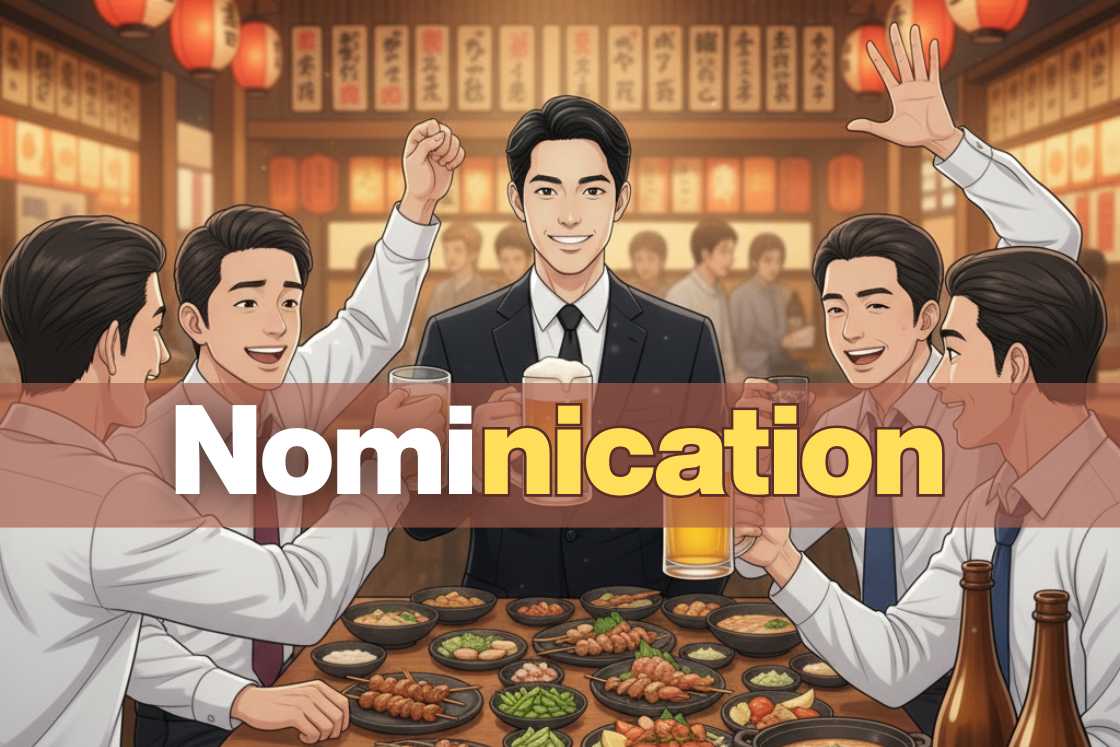

When you work in Japan, you quickly learn that communication does not stop at 5 PM. A unique part of Japanese business culture is the nomikai (飲み会), a social gathering, often a drinking party, after work. This tradition has even given rise to a unique word: nominication. A mix of the Japanese word nomu (to drink) and the English word “communication,” nominication refers to building bonds through drinking with your colleagues.
This article will help you understand the power of nominication, its historical roots, its benefits, and how to navigate these essential office parties with confidence.
What is the difference between Nomikai and Nominication?
This is a key point for foreigners. A nomikai is a specific event—a drinking party. Nominication is the purpose behind the event.
Nomikai (飲み会)The actual gathering.
It is the party itself, held at an izakaya (Japanese pub), restaurant, or karaoke bar.
Nominication (飲みニケーション): The goal.
As said earlier, Nomi+Communication. This is the act of communicating and deepening relationships with colleagues, juniors, and superiors in a relaxed, non-office setting.
Nominication is believed to help flatten the strict company hierarchy. It encourages open conversations that might not happen during the formal workday. These office parties become a space to build trust and social capital.
The Historical Roots of Nominication: Where it All Began
The practice of nominication has deep roots in Japanese history and societal structure. After World War II, Japan focused heavily on rebuilding its economy. Companies became like second families, and lifetime employment was common. Employees often dedicated their lives to one company.
Post-War Reconstruction:
Companies needed to foster extreme loyalty and teamwork to achieve rapid economic growth. Nomikai provided a crucial informal space for leaders to connect with their teams.
Hierarchical Society:
Japanese society has strong hierarchical structures. In formal settings, direct communication can be difficult. The relaxed atmosphere of a nomikai helped break down these barriers, allowing for more informal feedback and problem-solving.
Group Harmony (Wa):
The cultural value of wa (和), or group harmony, is very important. Nominication helped reinforce this by creating a sense of unity and shared experience outside of work tasks.
Over time, this practice became a powerful tool for management to gauge employee morale, share unstated expectations, and strengthen corporate bonds. These office parties became an integral part of career progression.
Why is Nominication so important in the Japanese workplace?
For generations, nominication was a pillar of Japanese business. It served several crucial functions that are still relevant today.
Building Bonds and Trust:
Socializing after work allows colleagues to see a more relaxed, human side of each other. This helps build a stronger, more trusting team dynamic, which is vital in a group-oriented culture.
Encouraging Honne (True Feelings):
In the office, Japanese people often use Tatemae (a public facade) to maintain harmony and avoid direct conflict. At a nomikai, the casual setting and, sometimes, alcohol can help people share their Honne (true intentions and feelings). This can lead to more honest and open discussions about work, projects, or even personal concerns, which can be very valuable.
Deepening Relationships in Japan:
Beyond just talking, nominication creates shared memories and experiences. This shared time outside of official duties fosters a sense of camaraderie that is difficult to achieve in formal settings. These shared experiences are key to the strong, interpersonal bonds highly valued in Japanese team environments.
Team Building:
These office parties are a great way to celebrate milestones, welcome new hires, or say farewell to a colleague. They create a strong sense of unity and shared purpose within a team.
Networking and Career Growth:
For some, attending a nomikai is a way to build closer relationships with managers or superiors. It can be a chance to show you are a team player, dedicated, and personable, which many believe can lead to better opportunities.
What are the main types of Japanese office parties?
Nominication takes place at many different types of office parties. Knowing the purpose of each can help you prepare.
- ・Bōnenkai (忘年会): A “forget the year party” held at the end of the year to leave the past year’s stress behind.
- ・Shinnenkai (新年会): A New Year’s party to set goals and wishes for the new year.
- ・Kangeikai (歓迎会): A welcome party for new employees.
- ・Sōbetsukai (送別会): A farewell party for a departing colleague.
- ・Nijikai (二次会) & Sanjikai (三次会): The second and third parties that follow the main nomikai. Fewer people attend these, and they are usually more casual, sometimes involving karaoke.

How to navigate a Nomikai? Etiquette for Foreigners (Making a Good Impression)
Attending a nomikai is a great chance to learn about Japanese culture and build relationships. Following a few simple rules will help you feel more comfortable and make a positive impression on your team and bosses.
Don’t Pour Your Own Drink
This is perhaps the most important rule. Always pour drinks for others, especially those senior to you. Never let a superior’s glass remain empty. In return, your colleagues and superiors will pour for you. This act of service and reciprocity is a fundamental sign of respect and care.
Wait for the Toast (“Kanpai”):
Do not start eating or drinking until the organizer makes a speech and everyone raises their glass for a toast (“Kanpai!”). This shows respect for the event and the hierarchy.
Mind the Hierarchy:
Even in a relaxed setting, hierarchy subtly remains. Hold your glass lower than your boss when clinking glasses. Use polite Japanese (keigo) if you feel comfortable, but a polite attitude is more important than perfect language.
Engage in Conversation:
Actively participate. Ask questions about hobbies, family (if appropriate), or travel. Show genuine interest in your colleagues’ lives outside of work. This is the core of nominication.
It’s Okay Not to Drink:

Do not feel pressured to drink alcohol. It is perfectly fine to order a non-alcoholic beverage (“O-cha kudasai” – お茶ください for tea, or “juice kudasai” – ジュースください for juice) or simply leave your glass full. You are there for the communication, not necessarily the alcohol. Your presence and engagement are what truly matter.
Offer to Pay Your Share:
The bill is often split equally among attendees (warikan). It is polite to assume you will pay your share and have enough cash ready. If a senior person offers to pay, a polite refusal or thanks is appropriate.
Does Gender Play a Role in Nominication?
Historically, nominication was a male-dominated practice, largely due to fewer women in senior roles and different social expectations. While things are changing, some differences might still exist:
- ・Changing Dynamics: With more women entering the workforce and taking on leadership roles, their participation in nomikai is increasing.
- ・Social Expectations: Traditional expectations for women in social settings, though diminishing, might still exist in some companies. However, this is rapidly evolving, especially in more international or modern workplaces.
- ・Comfort Levels: Individuals should always prioritize their comfort. It’s perfectly acceptable for anyone, regardless of gender, to politely decline alcohol or leave early if they feel uncomfortable.
Addressing the “Drunk Salaryman” Phenomenon
The image of drunk salarymen sleeping on trains or streets is a familiar sight in Japan, especially late on a Friday night. This is often a direct result of intense nominication sessions.
- ・Over-participation: For some, the pressure to participate fully in nomikai can lead to excessive drinking.
- ・Cultural Context: Historically, passing out after a nomikai was sometimes seen as a sign of dedication or having put in a “hard day’s work,” including after-hours socializing. However, this view is declining.
- ・Modern Shift: Companies and society are increasingly discouraging excessive drinking and promoting responsible alcohol consumption. The focus is shifting from heavy drinking to meaningful communication. While still visible, this phenomenon is becoming less tolerated and seen as unprofessional. It is always important to maintain professionalism and control your alcohol intake.
The Changing Landscape of Japanese Office Parties
Nominication culture is definitely changing, especially among younger generations and in international companies.
- ・Decline in Compulsory Attendance: Many workers now feel that these office parties are not essential for career advancement. A majority of recent surveys show that many workers now believe nominication is not necessary.
- ・Shift to Work-Life Balance: The desire for a better work-life balance is growing. Younger workers want to spend their personal time with family and friends, not always with their colleagues.
- ・Rise of Alternatives: More companies are offering lunch gatherings, virtual happy hours, or other daytime social events as alternatives to evening nomikai. These provide opportunities for nominication without the pressure of alcohol or late nights.
Take Away
Should you attend a Nomikai?
Ultimately, the decision to attend a nomikai is yours. While a growing number of Japanese workers feel these office parties are not mandatory, attending can be a valuable way to experience Japanese culture firsthand. It is an opportunity to get to know your colleagues on a more personal level, build stronger bonds, and gain insights that formal meetings might not offer.
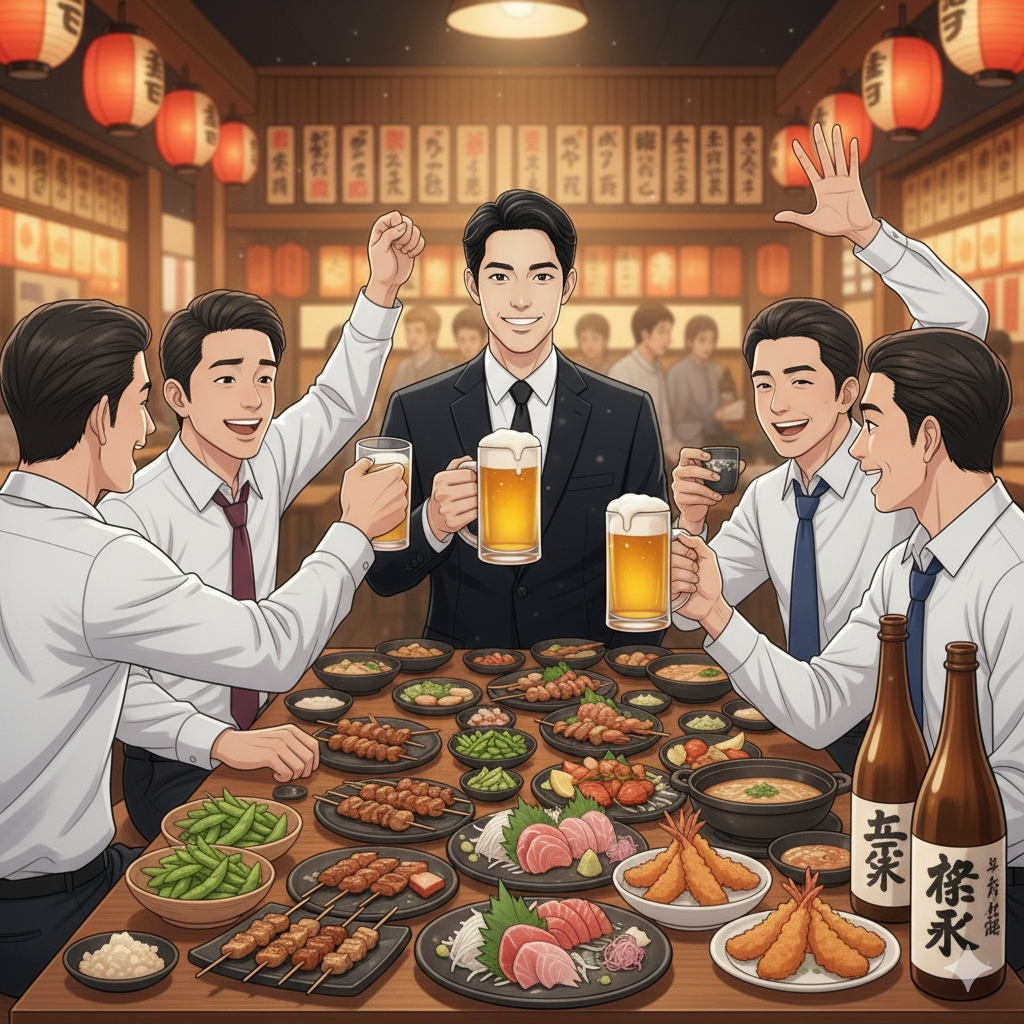
By understanding the historical roots, etiquette, and changing dynamics of nominication, you can confidently navigate these unique social gatherings and make meaningful connections in your Japanese workplace.
You can learn more about Japanese workplace etiquette from resources like
📰 Mastering Effective Communication in Japan
📰 Saying No in Japan: how to decline something respectfully
📰 Mastering Business Japanese for Success
Want to learn practical Japanese? Learn everyday conversation and practical communication skills with Human Academy Japanese Language School
- Jobs in Japan @ Daijob.com
- Expat Career Guide
- Working in Japan
- Nomikai to Nominication